When a child doesn’t have a bed of their own, sleep becomes a privilege rather than a right. For many Indigenous children across North America—Native Americans, Alaska Natives, Native Hawaiians, First Nations, Inuit, and Métis peoples—this reality is compounded by generations of systemic inequity that has left their communities with fewer resources, greater economic challenges, and persistent housing insecurity.
The numbers tell a sobering story. More than 25% of Native American children live in poverty, and in some communities, these rates soar even higher. Forty percent of housing on reservations is considered substandard compared to only 6% throughout the rest of the country, and 30% of Native American housing is overcrowded. For families already stretched thin by economic hardship, providing a bed for each child is often an impossible expense.
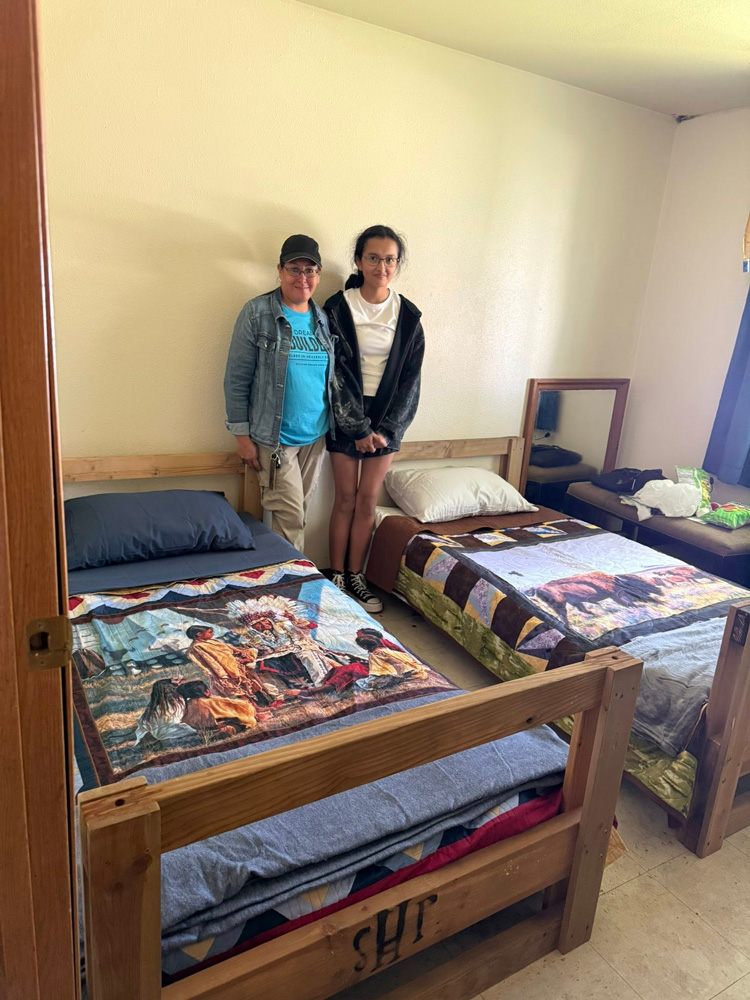
Yet across the United States and Canada, Sleep in Heavenly Peace chapters are showing up for Indigenous communities with determination, respect, and the belief that NO KID SLEEPS ON THE FLOOR—no matter their zip code or circumstance.
Partnership Built on Shared Values
What strikes us most about SHP’s work with Tribal communities is that these partnerships are built on genuine alignment of values. We don’t arrive as saviors; we arrive as partners. The communities we serve lead the conversation about what their children need, and our volunteers follow.
That’s why the work looks different in each place—because each community is unique, and their leadership shapes our response.
The Chumash Foundation: Four Years of Commitment
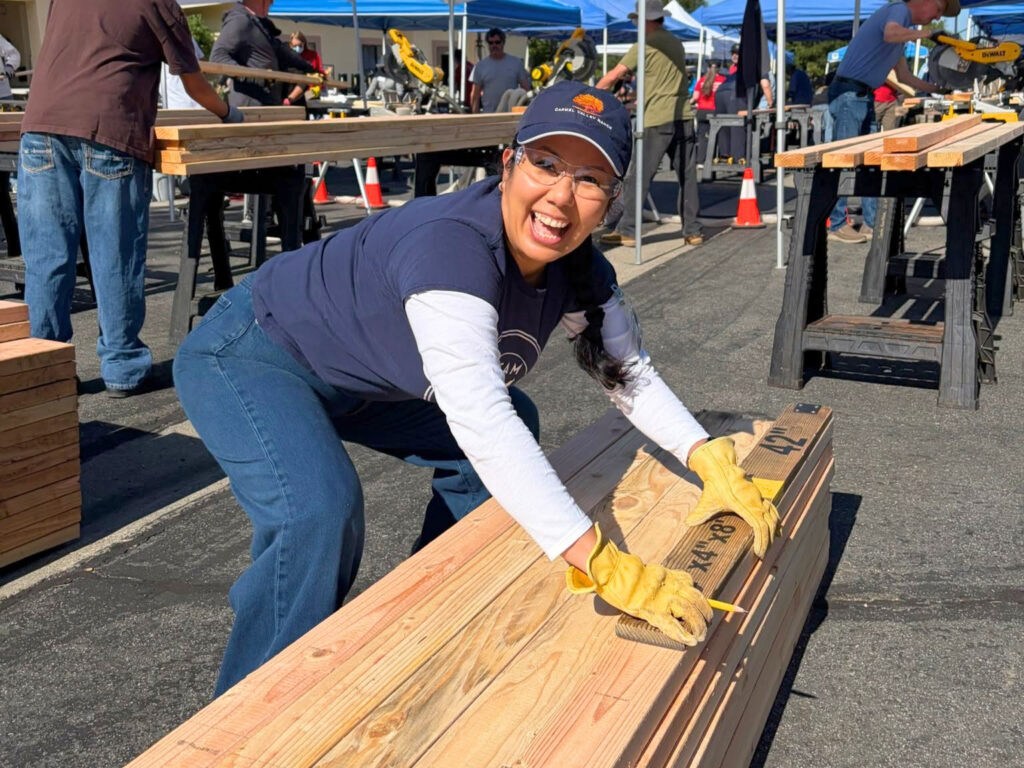
In Santa Barbara County, California, the partnership between SHP and the Santa Ynez Band of Chumash Indians demonstrates what sustained commitment looks like.
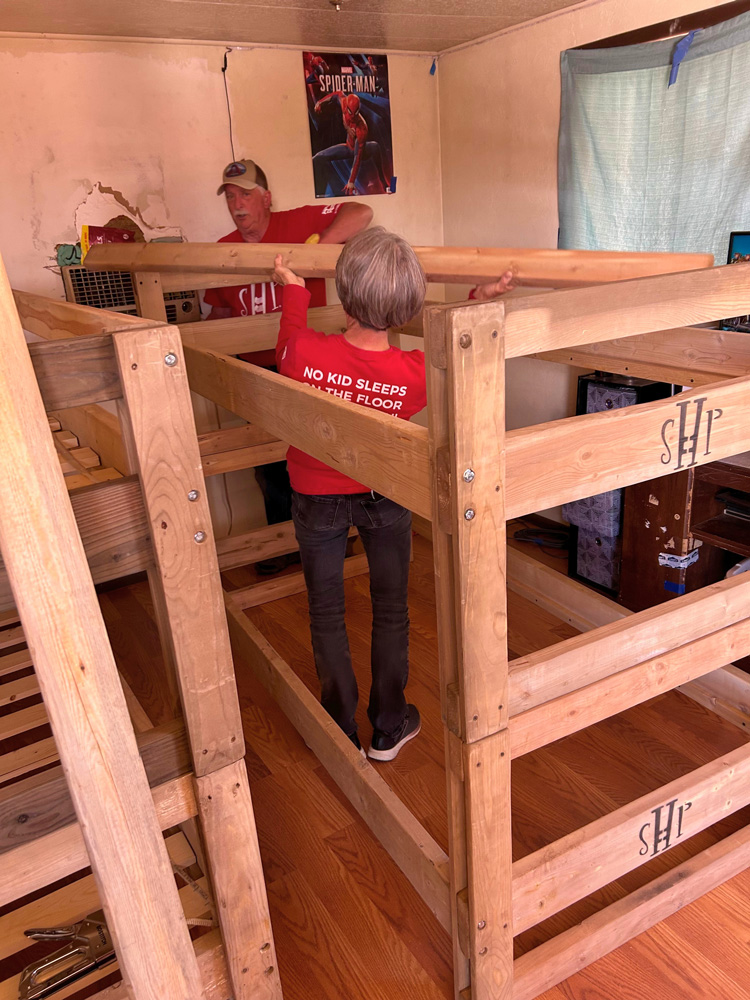
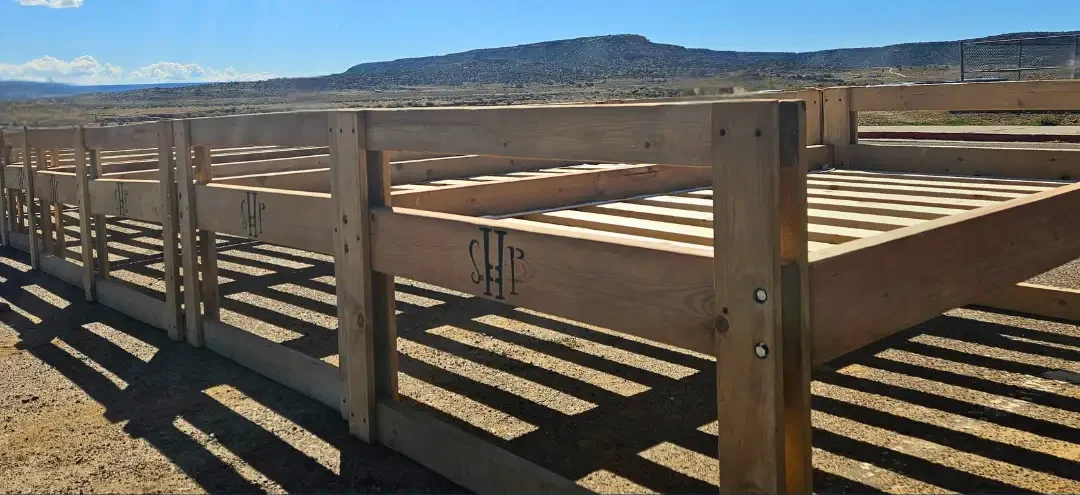
For the fourth consecutive year, on May 16, 2026, Team Chumash and the Chumash Foundation sponsored a bed build event that brought together volunteers from across the Central Coast. The energy was electric: more than 120 volunteers gathered at the Tribal Hall, including Team Chumash members, Santa Ynez Chumash community members, and new friends from all over.
In just four hours, they built 64 beds—exceeding their goal of 60—destined for local children in need.
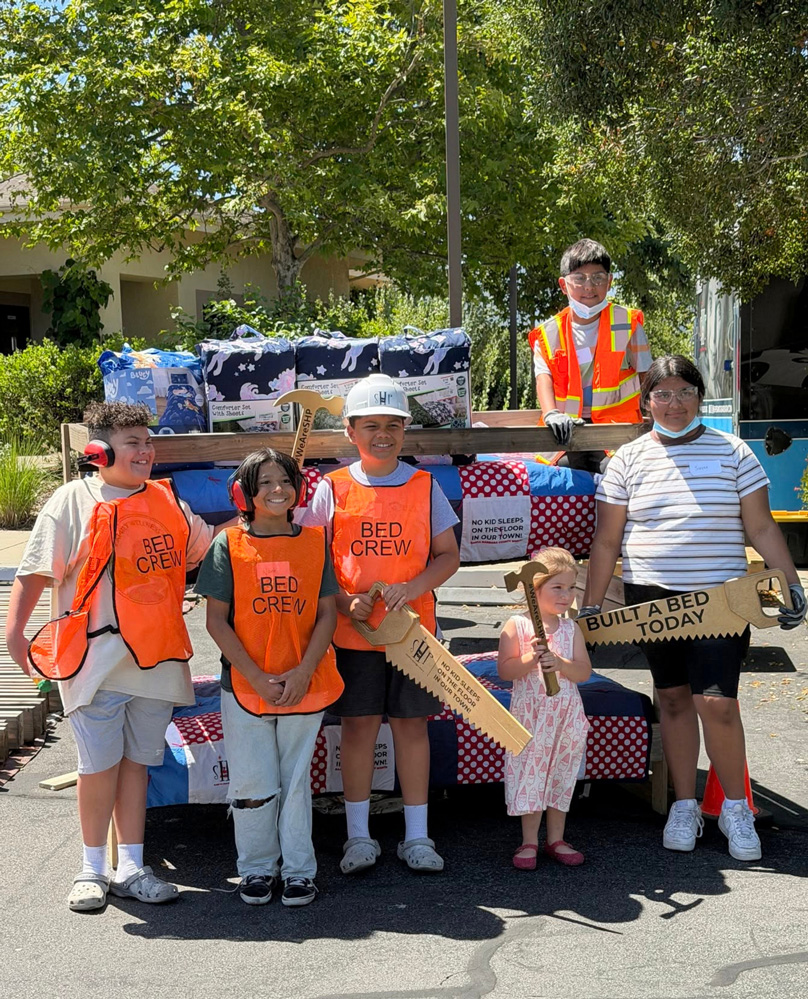
“We are filled with immense gratitude as we look back on our 4th Annual Bed Build Event,” said Colleen Grant, President of the SHP-Santa Barbara County N. chapter. “The weather was perfect, the volunteers were wonderful, and the energy was unmatched. We are so blessed to partner with a Tribe that cares so deeply about the well-being and future of our local families.”
This is what partnership looks like: year after year, showing up. Building together. Refusing to accept that any child in the community should sleep on the floor.
Reaching Remote Communities: The Navajo Nation
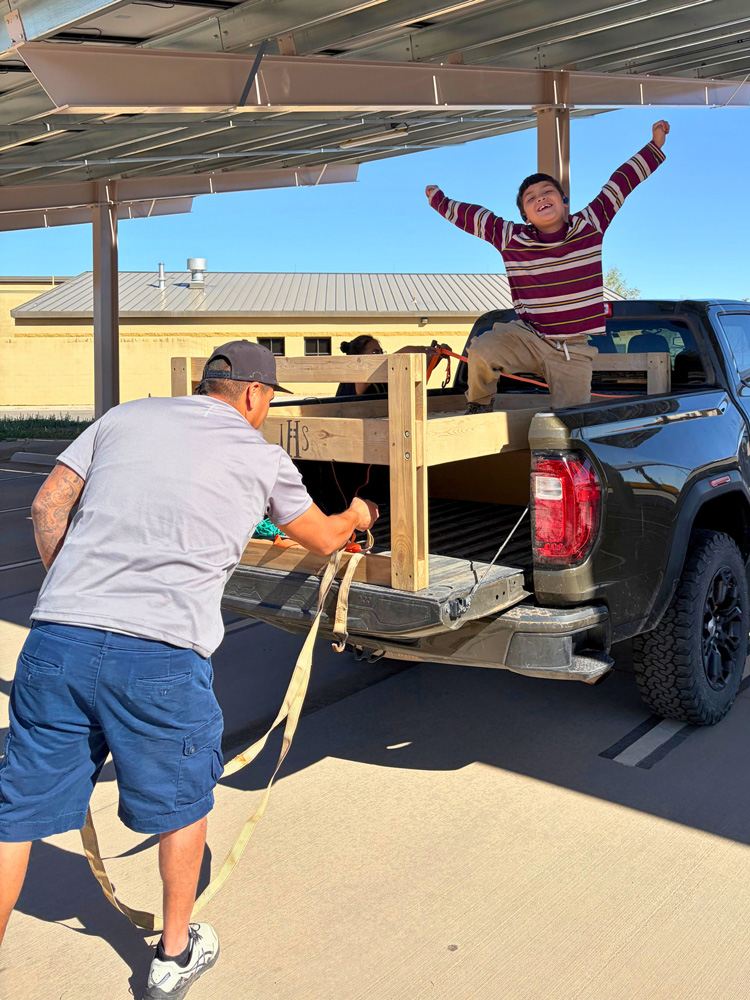
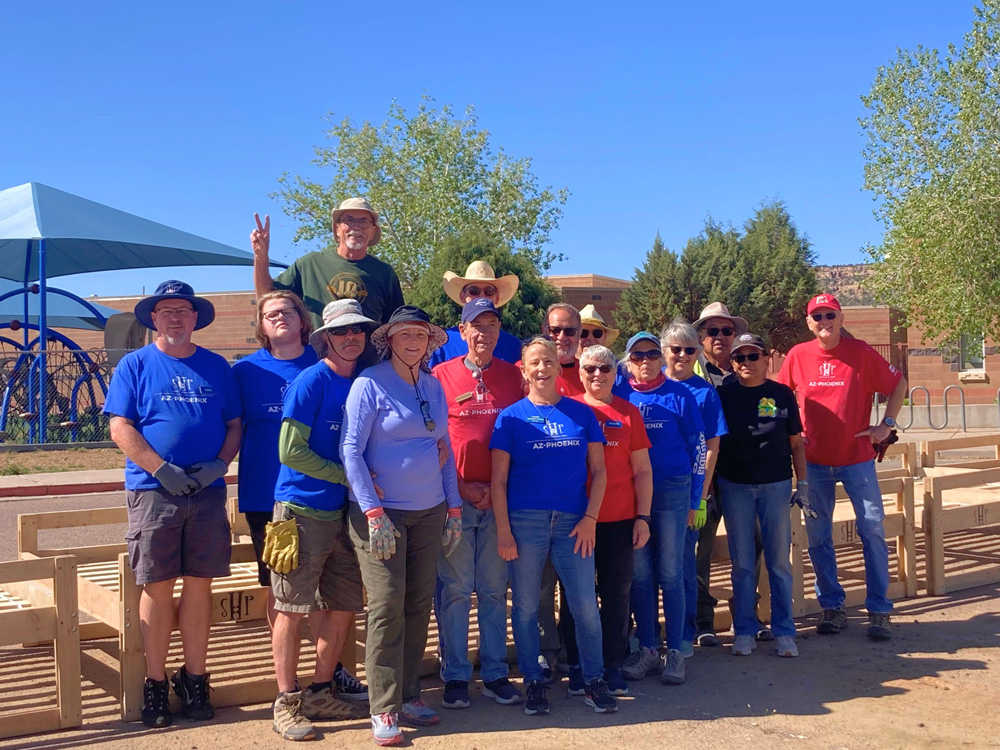
In November 2025, SHP-AZ, Phoenix undertook a multi-day journey to serve children in the Navajo Nation near Chinle, Arizona. Some of the schools they visited were only accessible by four-wheel drive vehicles—remote locations that other organizations might overlook.
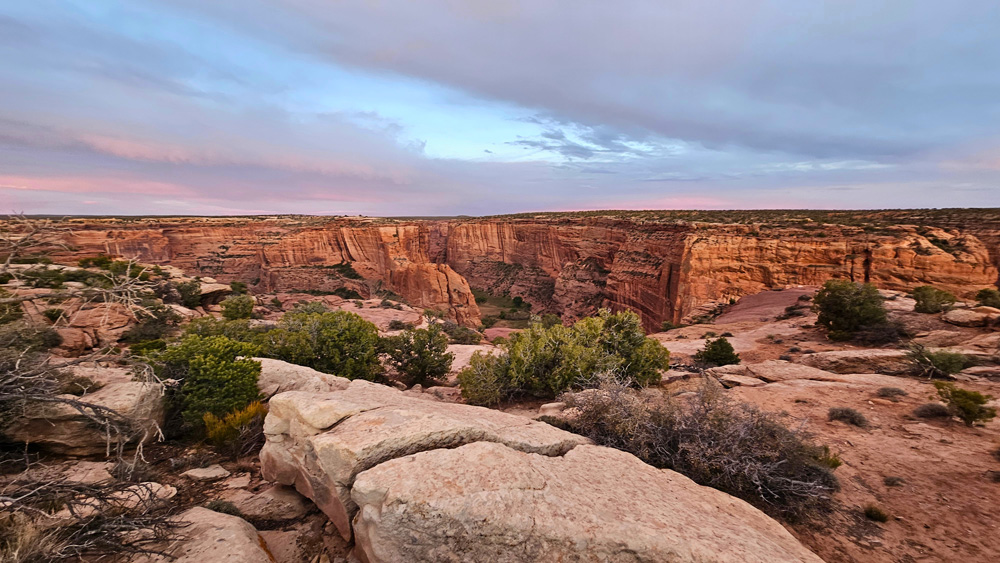
Thirty-five volunteers delivered 124 beds to three schools near Chinle. The experience was transformative. “It was one of the most rewarding experiences our chapter has ever had,” said Frank Pankow, Vice President of SHP-Arizona, Phoenix.
The impact was so significant that they returned in May 2026. This time, the Phoenix chapter delivered 179 beds across four schools:
- Chinle Schools (Northwest Delivery Hub): 50 beds
- Low Mountain School (50 minutes west of Chinle): 50 beds
- Rock Point Community Schools (50 minutes north of Chinle): 66 beds
- Navajo Lutheran Mission School: 13 beds
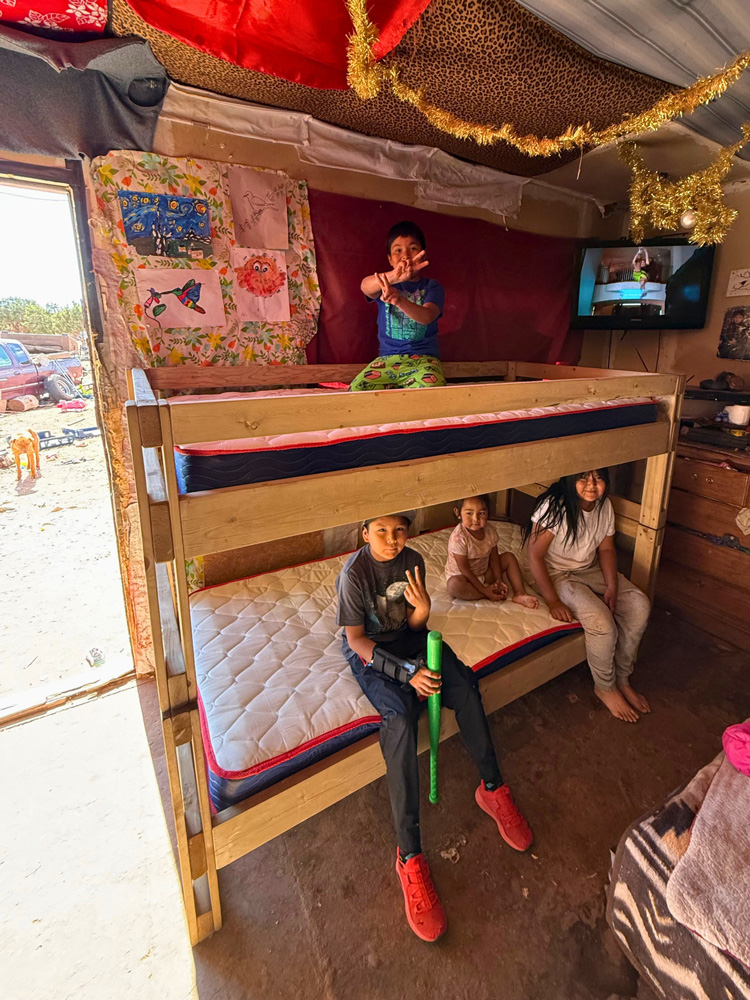
From the chapter’s reflection: “We rallied our volunteers and showed up for our brothers and sisters in Chinle, Arizona on the Navajo Nation. Together with our partners at Pure Heart Church, Sleep in Heavenly Peace Arizona delivered more than beds: we delivered hope, dignity, and rest. No Kid Sleeps On The Floor, no matter the distance.”
Two major deliveries in six months demonstrate SHP-Arizona’s deep commitment to the children of the Navajo Nation.
Serving a Shared Community: Sisseton, South Dakota
The city of Sisseton sits within the exterior borders of the Lake Traverse Indian Reservation, home to the Sisseton Wahpeton Oyate, a federally recognized tribe of Eastern Dakota people. Because it’s an “open” reservation, Sisseton’s community is a blend of tribal members and non-tribal residents living and working together.
When SHP’s Sisseton chapter launched in May 2024, they committed to serving this entire community. In the two years since, they’ve delivered 150 beds to children in need, approximately 1.5 beds per week in a town of just 2,564 people.
In a community where 24.6% live in poverty, that consistent delivery matters. It means a tribal member’s child sleeps in a real bed instead of on the floor. It means a non-tribal neighbor’s child has the dignity of rest. It means both tribal and non-tribal volunteers show up week after week, united around a single belief: that every child in their town deserves a safe place to sleep.
This is SHP’s work in action—not as an outsider organization, but as part of the fabric of community life, present and in service to the people who call Sisseton home.
Why This Work Matters
These partnerships exist because the need is real and the barriers are deep. For Indigenous children, the path to a safe place to sleep is obstructed by:
- Economic disparities: Persistent poverty rates mean families cannot afford basic furniture
- Housing inequity: Substandard and overcrowded conditions make adequate sleeping arrangements nearly impossible
- Geographic isolation: Remote reservations face limited access to resources and supplies
- Historical trauma: Centuries of systemic inequity have created structural barriers that a single bed cannot solve, but a bed can be the beginning
When SHP delivers beds to Tribal communities, we’re not just addressing a symptom. We’re answering a moral imperative: to serve with dignity, to show up when others don’t, and to believe that every child IN EVERY COMMUNITY deserves a safe, comfortable place to rest and dream.
The Power of Volunteers and Donors
None of this work would be possible without support:
Volunteers—the 35 people who drove through Arizona’s remote landscape, the 120+ who gathered at the Tribal Hall in Santa Barbara, the countless hands building frames, loading trucks, and delivering beds. They sacrifice their time, energy, and hearts because they believe in our mission.
Donors—the individuals, families, and organizations who fund these initiatives. The Chumash Foundation’s sustained grant support. The partners like Pure Heart Church. The everyday supporters who contribute whatever they can because they understand that no child should sleep on the floor.
Local Partners and Sponsors—it is with the help of quilting groups, churches, schools, businesses, and service organizations that this work makes the biggest impact. These community anchors believe in the mission and show up—they donate materials, sponsor events, open their spaces, and mobilize their networks. When a local partner commits to SHP’s mission, they don’t just provide resources; they deliver hope, and they transform how a community sees itself as capable of caring for its most vulnerable.
Looking Forward
In Arizona, plans are already underway for additional visits to the Navajo Nation. In Santa Barbara, the Chumash Foundation has committed to another year of partnership. Across the country, SHP chapters continue to seek out underserved communities—including Tribal Nations—and ask: “How can we help?”
The answer begins with listening. It continues with showing up. And it succeeds when community leaders, generous donors, and dedicated volunteers come together around a single, powerful belief: NO KID SLEEPS ON THE FLOOR IN OUR TOWN.
For Indigenous communities, that town is not defined by borders on a map. It’s defined by belonging. By being seen. By mattering enough that someone will drive 50 minutes on a rough road to deliver a bed.
This is the mission of Sleep in Heavenly Peace.